Travelers who want a more personal, character-forward stay often end up looking past big chain hotels. In Jaipur, smaller properties that highlight design, a local mood, and careful service end up feeling like their own little group. Usually, these places have fewer rooms, interiors that stand out in their own ways, and a tighter link to the city’s cultural setting. Knowing where these options show up, and what actually makes them different, makes it easier for visitors to match their own preferences with the right spots.
Boutique stays can be found in several neighborhoods, and each one comes with different benefits, like how close it is to major landmarks, how quiet the streets feel, and how simple it is to reach historic sites. Learning how these properties spread out and which features mark the better examples gives a practical way to decide.
Neighborhood Patterns for Boutique Stays
Bani Park really stands out as one of the more consistent places for smaller hotels, with a sort of individual personality. This residential zone sits close to the railway station and bus stand, yet it still feels quieter than the busiest commercial lanes. Tree-lined roads plus a blend of older residences give a calmer vibe that many guests find restful after days moving around in the old city.
Civil Lines and some parts of C-Scheme also have boutique-style properties. These areas bring relative quiet along with decent road connectivity. Further toward the walled city, restored havelis show up in the bylanes near larger markets and monuments. Every pocket has its own trade-offs, like immersion in historic surroundings versus easy movement or extra quiet.
The existence of a Boutique Hotel in Jaipur often goes along with adaptive reuse of older homes, or with carefully planned smaller structures that lean into atmosphere more than size. Travelers who prefer walkable access to transport hubs frequently choose Bani Park and nearby districts.
Defining Characteristics of Boutique Properties
Size stays one of the clearest markers. Most real boutique hotels tend to run with a small inventory of rooms, often under thirty. That size helps the team deliver more personalized service, and it also means rooms can receive individual care, like distinct décor choices and a layout that feels intentional.
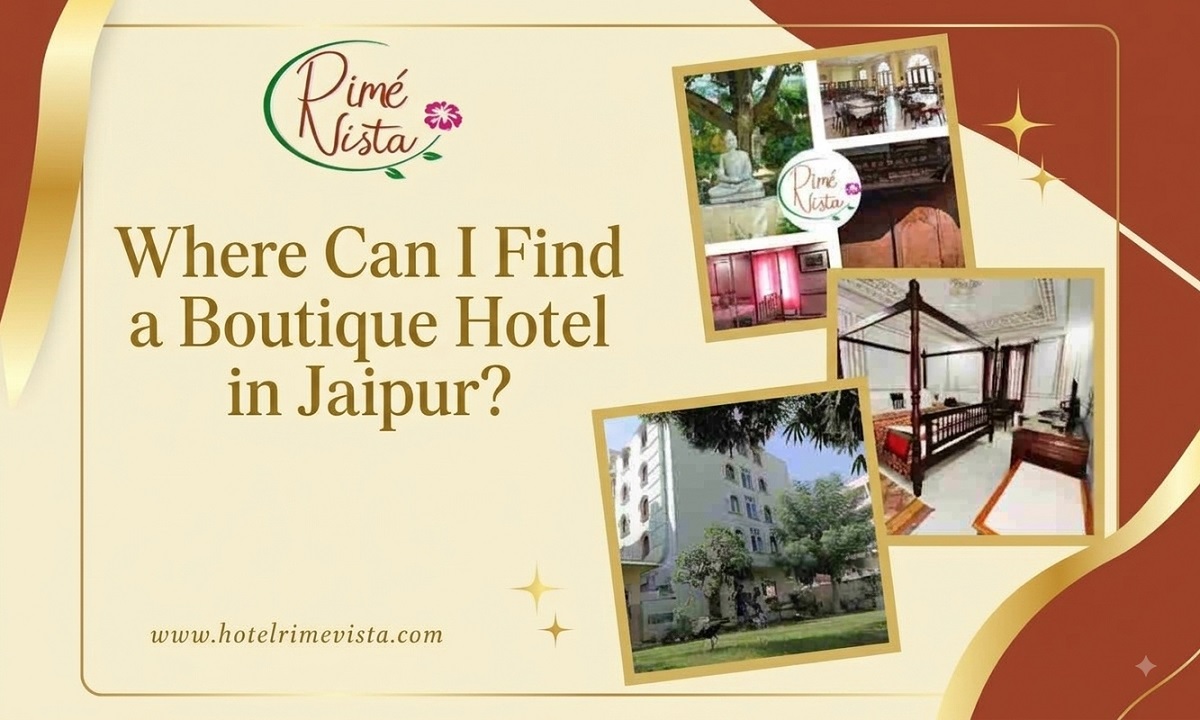
Design attention becomes another core point. Interiors often lean into local supplies, heritage-like color schemes, textiles, and architectural accents, like arches or inner courtyards. The aim is to create a space that feels anchored in its own setting, not something mass-produced. Gardens or outdoor seating areas show up often too, giving those in-between spots where guests move from quieter rooms toward the more public areas.
Service style usually leans toward direct conversation. In smaller properties, staff can usually adjust faster to specific preferences. Still, the basics matter most: cleanliness, clear communication, and dependable day-to-day performance should remain consistent no matter the scale.
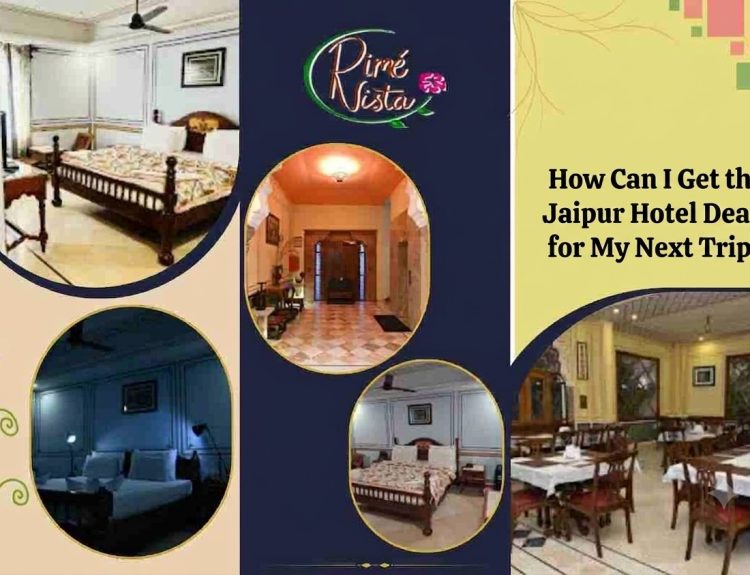
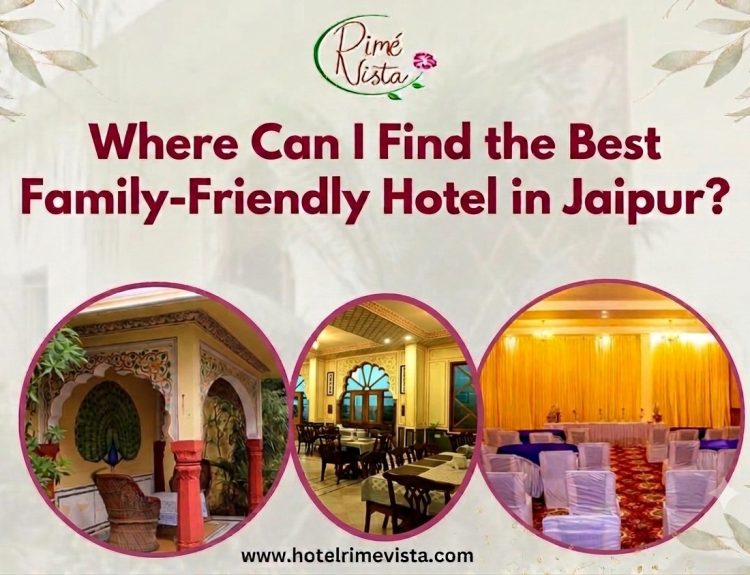
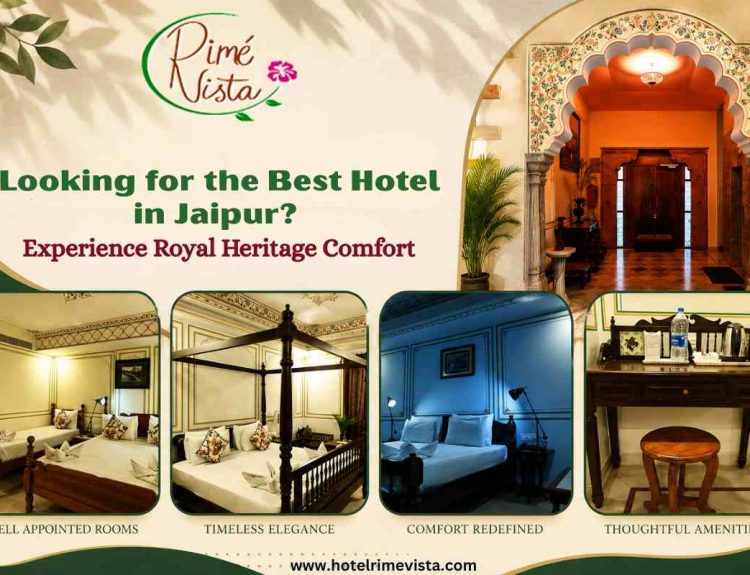
One example that kind of shows these traits is Hotel Rimé Vista. It is located in Bani Park, a family-run property with a small pool of uniquely designed rooms that blend classic Rajasthani visual cues with more modern conveniences like air conditioning and steady connectivity. You also get that calm side street feel and the on-site restaurant, which also matches the usual boutique vibe, in a very simple way.
Practical Considerations for Selection
Transport access affects the day-by-day logistics, in a way that you feel it immediately. When there are places within walking distance, or just a quick ride from the railway station, arrivals and departures feel easier. If the property is also close to main roads, moving toward forts, markets, and museums becomes calmer, because you are not forced into those long transfers every time.
Food options within or near the property really help too. Many boutique hotels keep small dining areas that offer regional cuisine, along with a few familiar choices that guests recognize fast. Travelers who like independent exploring can still rely on a steady on-site solution for breakfast or dinner, so the evenings do not turn into a constant search.
Rest depends on noise level and privacy. Residential areas usually feel more comfortable than properties placed directly on busy commercial routes. Reading recent guest notes about what nighttime is actually like lets you set the expectations correctly, instead of assuming everything will be quiet.
Cultural and Experiential Dimensions
Stronger boutique stays often help with a more subtle kind of cultural contact. It can show up in the architecture itself, in local craft objects being present, or in staff knowledge that helps you explore on your own, not through organized tours. The feeling is more ambient rather than fully programmed.
In academic discussions about small-scale hospitality, it’s often said that properties doing well here manage to balance authenticity with everyday comfort. They steer away from both sterile standardization and from heritage staging that feels overly theatrical. What you get is a setting that encourages watching the city, without pulling the guest away from it.
Hotel Rimé Vista shows one approach within this range. Its focus on traditional textures and colors, alongside practical modern amenities, reflects an effort to keep continuity with local design traditions while still meeting contemporary expectations for comfort.
Evaluating Fit for Different Travel Styles
Solo travelers and couples often like the quieter scale and personal vibe of boutique properties; it feels more close to home. Families might need to double-check the room layouts and space availability, since some smaller hotels have fewer larger-room choices. Business visitors sometimes pick these places for a steadier environment and dependable basic services, when the location actually matches the meeting points.
Budget can swing a lot, depending on the destination and season. Boutique does not automatically mean expensive; many mid-range options show up next to pricier, renovated havelis. Getting clear about what is included, like breakfast and Wi-Fi, makes comparisons a lot easier.
Conclusion
Tracking down a boutique hotel in Jaipur means you have to pay attention to the vibe of each neighborhood, the overall size of the place, the way the property is designed, how steady the service is, and how easy it is to reach the area. Neighborhoods like Bani Park often have options that feel more relaxed, yet still stay connected to major transport routes. You will usually see elements like distinct room layouts, small gardens, and careful, responsive staff that make these stays feel different from the big, fully standardized hotels.
A property like Hotel Rimé Vista shows how a family-run setup in a handy residential zone can deliver many of the things people expect from boutique lodging. When you focus on concrete qualities, rather than taking marketing wording at face value, travelers are able to spot accommodations that support quiet rest and also real, meaningful time with the city. With so many available choices, it becomes easier to align your personal priorities with what each location, and each style, does particularly well.
Frequently Asked Questions (FAQs)
Que. Which areas of Jaipur commonly have boutique hotels?
Ans. Bani Park, Civil Lines, parts of C-Scheme, and selected lanes within the walled city regularly feature smaller properties with individual character. Each area offers different balances of quiet, access, and historic immersion.
Que. What typically distinguishes a boutique hotel from a standard one?
Ans. Limited room numbers, distinctive design drawing on local elements, more personalized service, and an emphasis on atmosphere over extensive facilities usually mark the category.
Que. Is a central location important for boutique stays?
Ans. Centrality relative to transport hubs and major sights improves convenience for most visitors. Residential neighborhoods near stations often provide a practical compromise between access and calm.
Que. Do boutique hotels in Jaipur usually include dining options?
Ans. Many maintain small restaurants or breakfast service. Quality and range vary, so checking recent details about menus and operating hours helps set expectations.
Que. Can boutique properties suit different types of travelers?
Ans. Yes. The quieter scale often suits couples and solo visitors well. Families and business travelers can also find suitable options when room size, location, and service reliability align with their specific needs.